Everyday habits
Calories in, calories out: understanding energy without losing sight of food
Understand energy balance, the limits of daily estimates and how to build a practical eating routine without treating calories as the whole story.

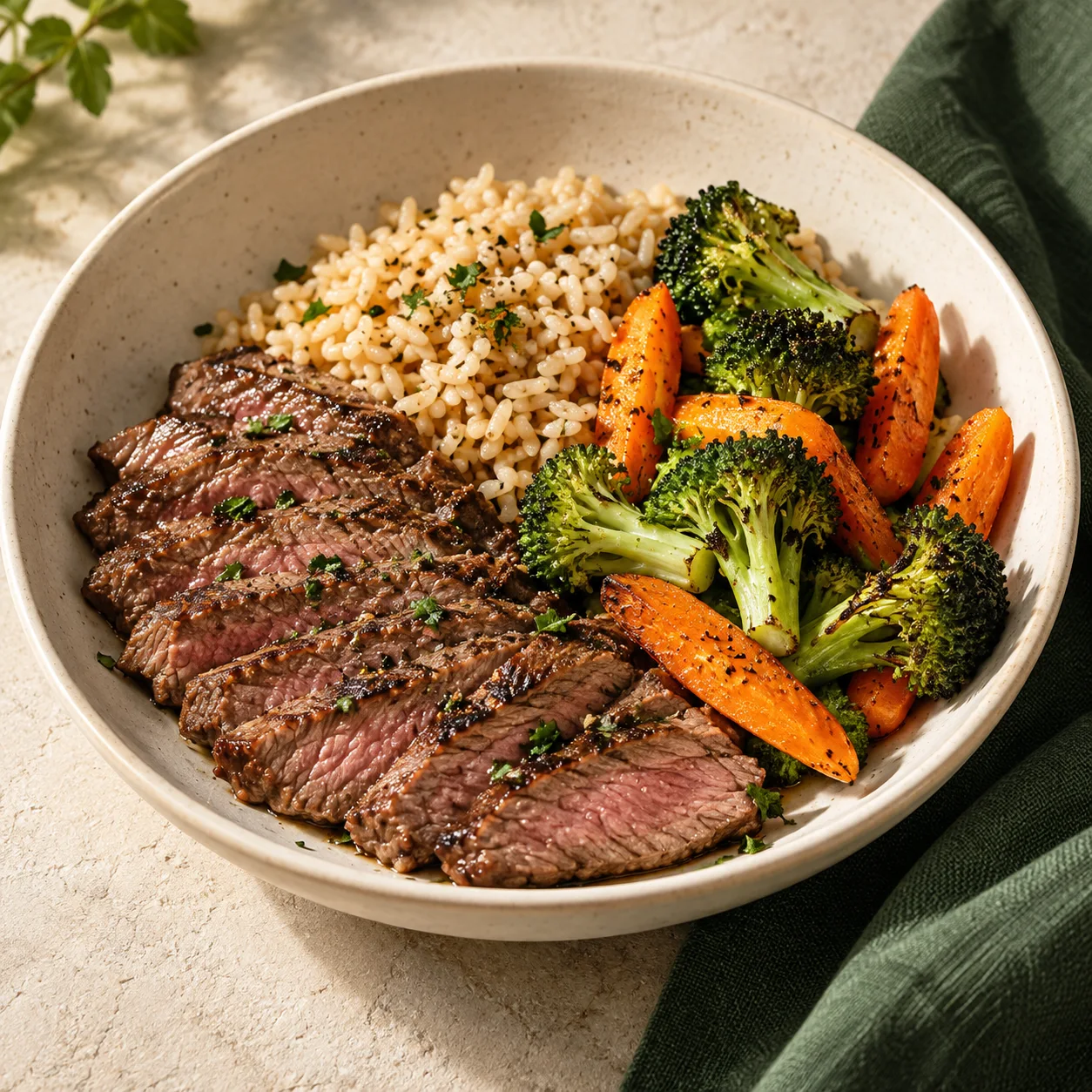
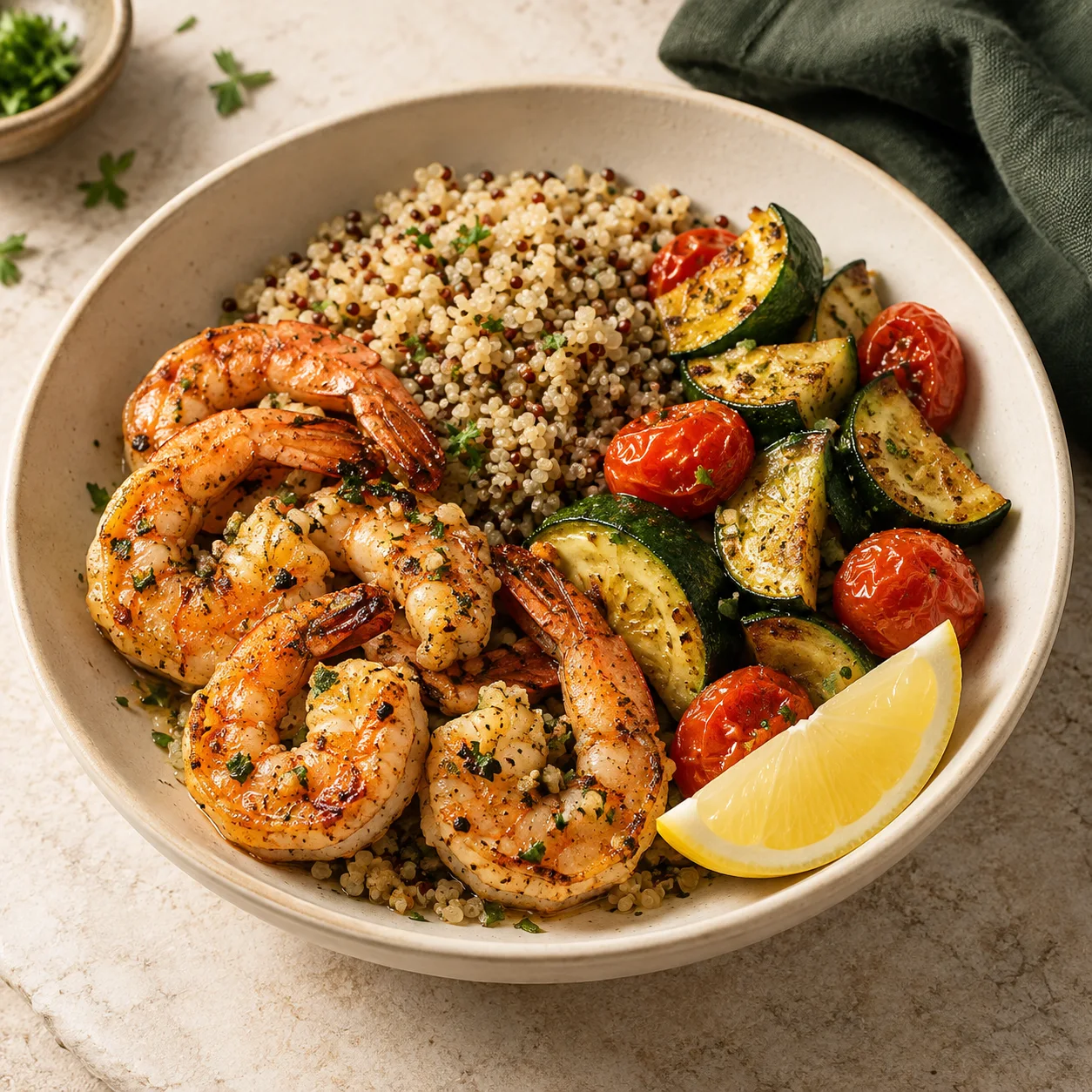
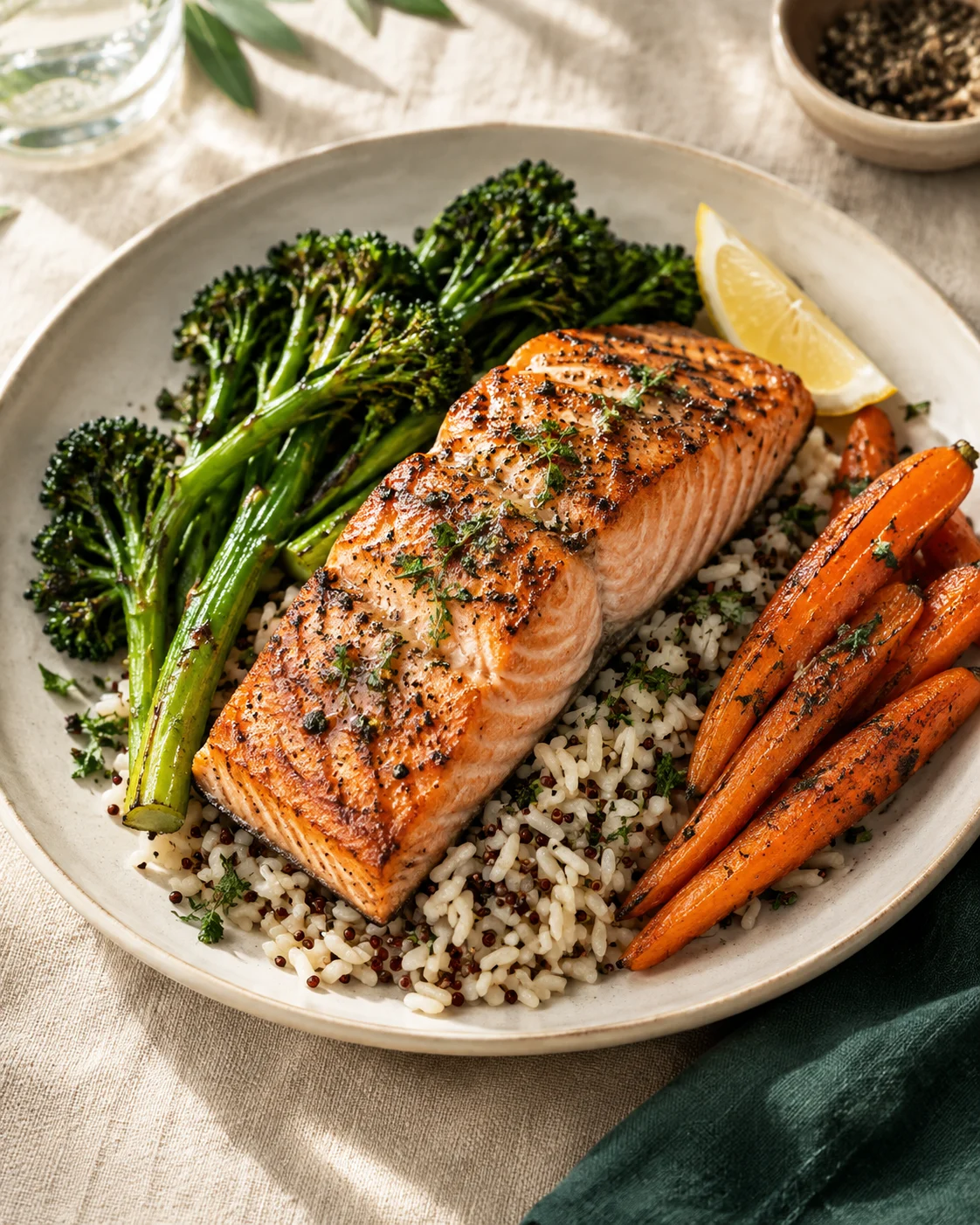
Concept menu photograph.
What does calories in, calories out mean?
Calories in means energy from food and drinks; calories out means energy the body uses. Energy balance matters for weight management. The FDA notes that the familiar 2,000 kcal label figure is a general guide, with needs varying by age, sex, height, weight and activity. It is not a universal daily target. [1]
A calorie total does not describe the whole meal
Imagine two meals with the same calculated energy: one you enjoy and can easily prepare, another you struggle to finish simply because it fits an app. Note protein foods, vegetables, starchy foods and flavour alongside the total. Ask whether you would want to repeat that lunch next week.
Why is weight change not a simple forecast?
NIDDK explains that energy needs and metabolism change as weight changes, with hormones and other factors affecting maintenance. Today's estimated intake cannot guarantee a straight weight-loss curve for months. Look at changes over time with appropriate support rather than treating one subtraction as a prediction. [2]
An example of adding entries
If a diary records a 550 kcal lunch and a 180 kcal drink, those entries total 730 kcal. This is arithmetic, not a lunch target. When sauce or rice quantities are unknown, label the result an estimate. Start with a few familiar meals and improve the information as it becomes available.
Plan a manageable week
Choose three predictable workdays and note preferred meals and receiving times. Have an option for a late meeting: simple cooking, appropriately stored prepared food or a suitable meal request. Review what made the plan convenient. Food does not create an exercise debt, and eating the least possible is not the goal.
When is self-directed calorie targeting unsuitable?
Stop and seek qualified support if logging causes anxiety, obsession or frequent skipped meals. NIDDK excludes under-18s and pregnant or breastfeeding people from its Body Weight Planner. Treatment-related diets need individual guidance. [3]
Where Eat Better fits
Use the menu and meal schedule to make everyday planning easier. Select the meals you need, discuss portions and review confirmation before paying. Our ingredient guides help you ask informed questions; actual meal calories require confirmed recipes and portions. The immediate offer is a more practical meal routine.
Sources
- FDA — Calories on the Nutrition Facts label
- NIDDK — Eating and physical activity
- NIDDK — About the Body Weight Planner
Sources consulted on 9 September 2026. This article provides general information; individual order details are confirmed separately.
Plan the meals you need.
Choose meals for one day or explore a weekly plan. Decide after availability and delivery fees have been confirmed.
Explore the menu ↗︎ Choose meal days