Food fundamentals
Brown rice or white rice: choosing for everyday meals
Rice colour does not define the whole meal. Consider the grain, the sides, your preferences and reliable portion information.
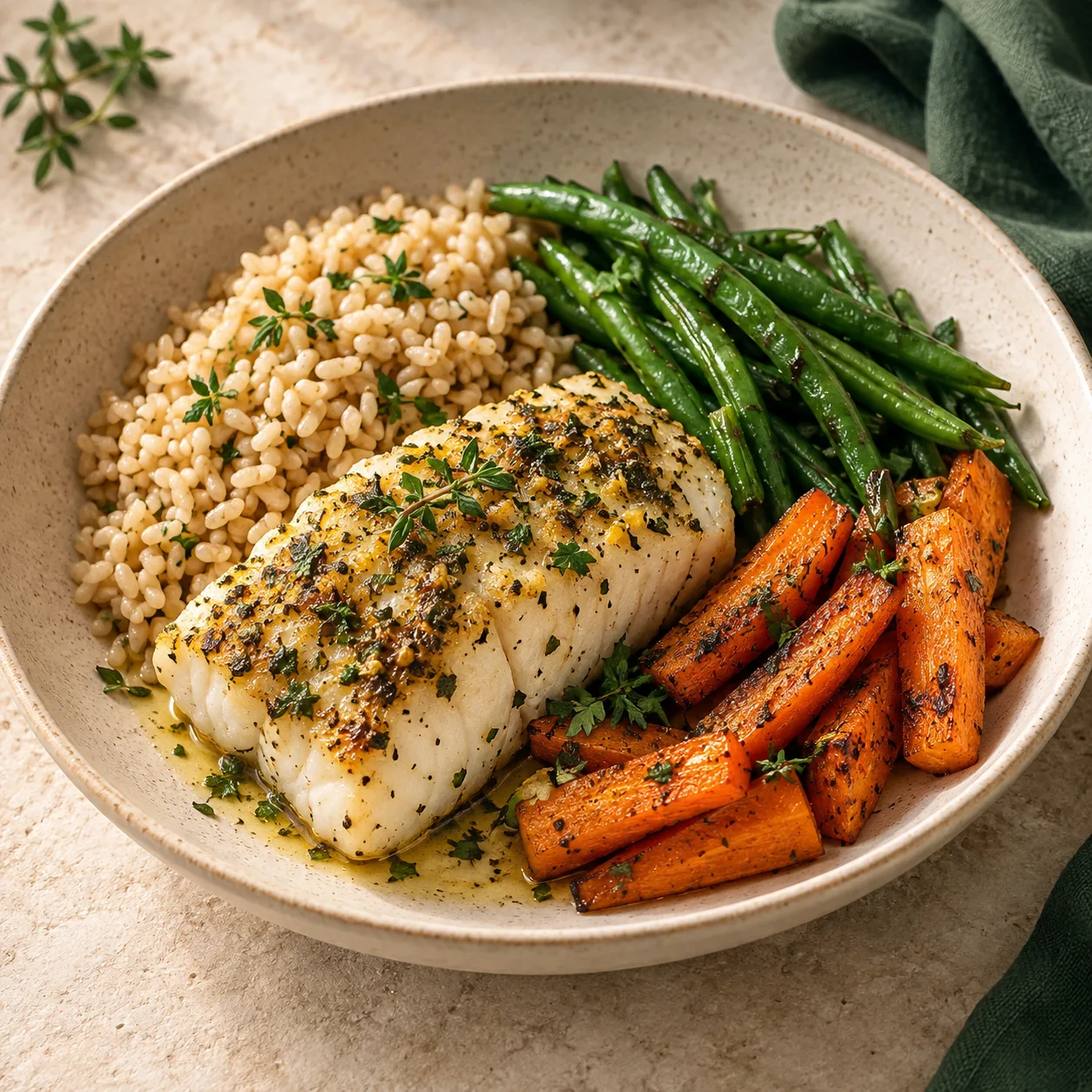
Concept menu photograph.
Compare more than rice colour
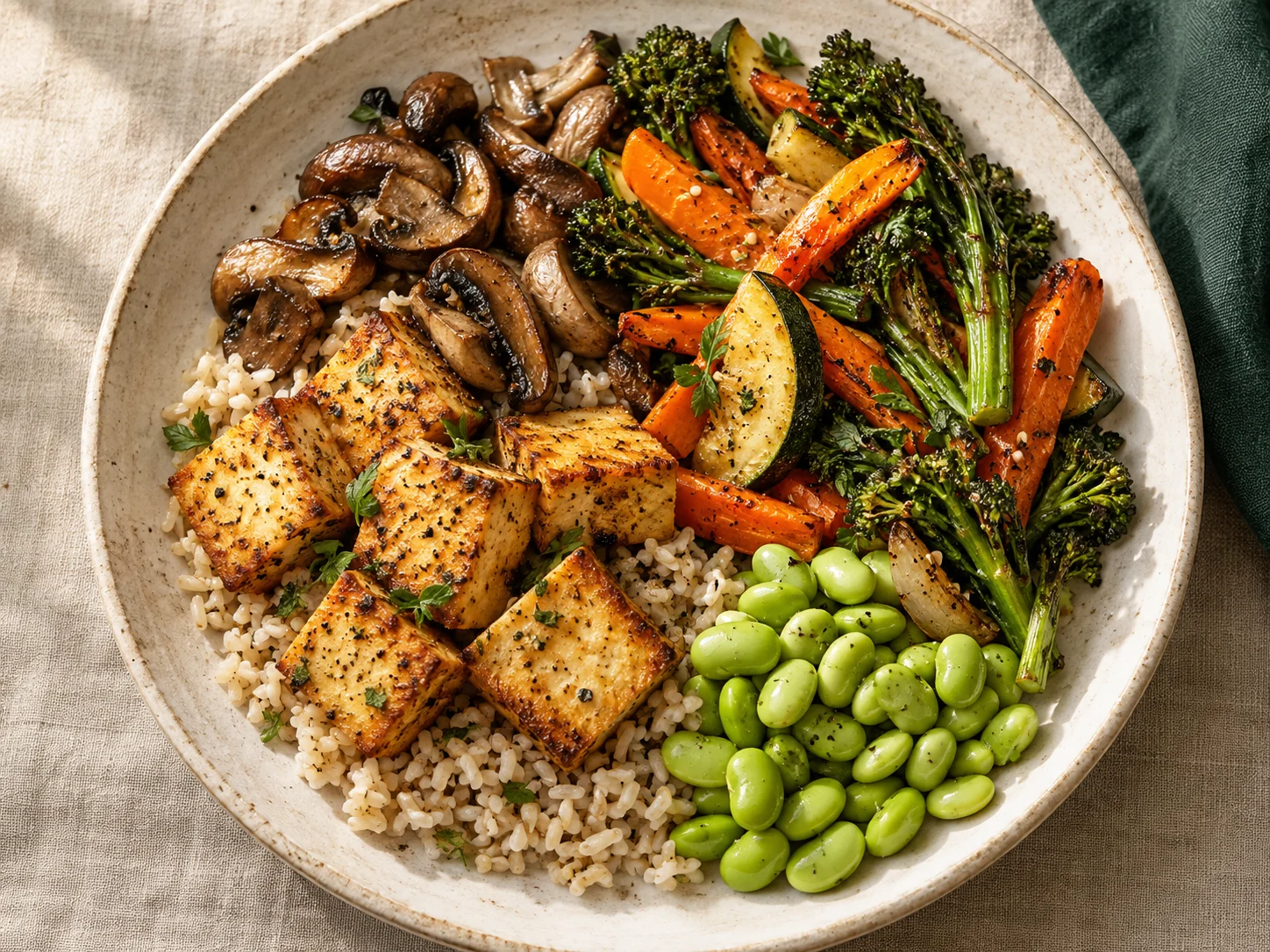
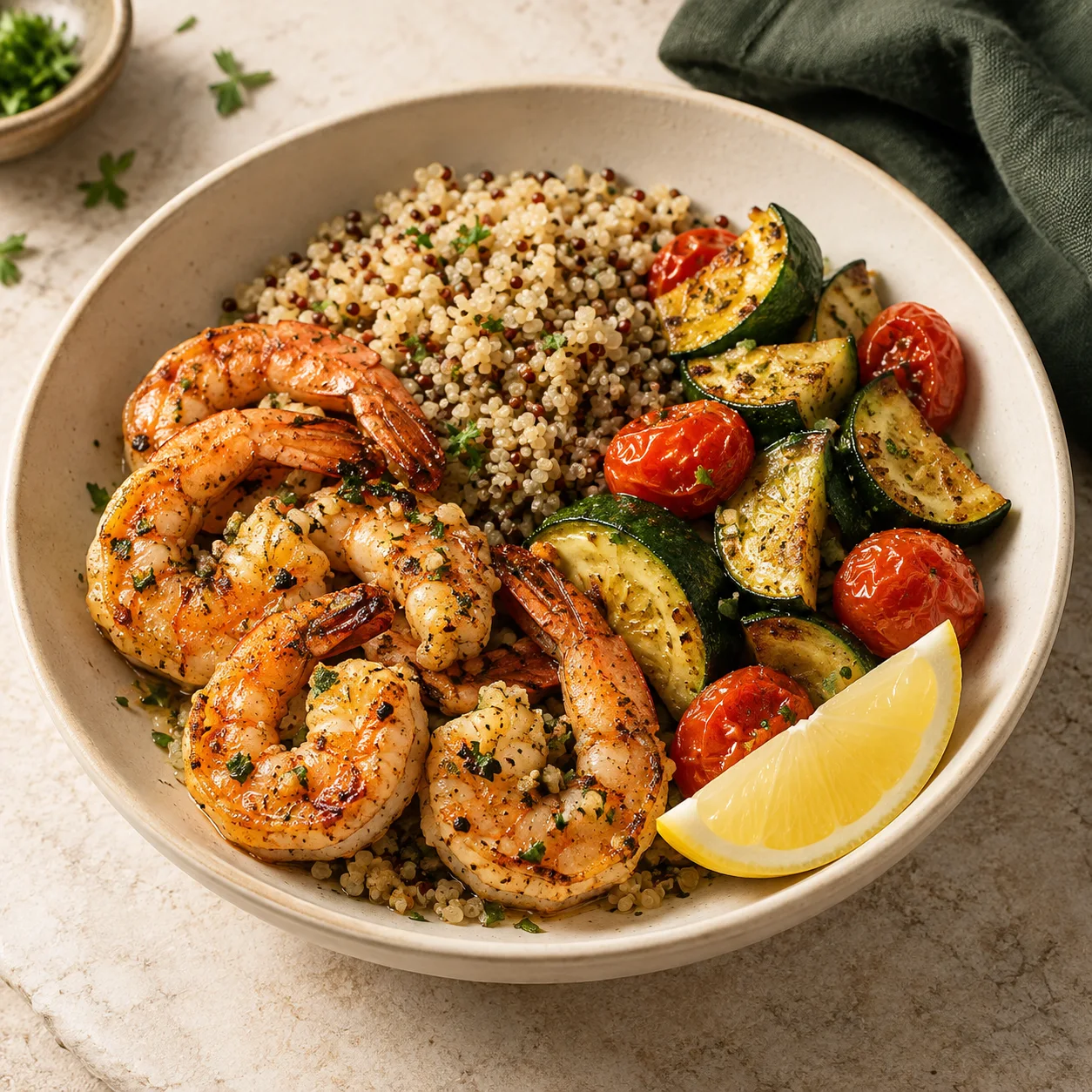
Two rice bowls also differ in protein, vegetables, dressing and preparation. Read the complete dish before asking whether the grain can be changed. Substitutions apply only after the kitchen confirms them.
What whole grains contribute
The NHS recommends choosing wholegrain starchy foods where possible for more fibre, with brown rice as one example. It also includes rice and other starches within balanced eating. Brown rice does not automatically cause weight loss, and white rice does not by itself make a meal unsuitable. [1]
Consider what you enjoy eating
Some people prefer the chew of brown rice; others prefer a softer grain. Try a serving before committing to a longer plan. Ask which alternatives are available instead of choosing purely for a healthy-looking label.
Do not estimate portions from pictures
A photograph cannot establish rice weight, oil or sauce quantities. If tracking carbohydrate, use confirmed data for the actual serving. Individual medical diets require appropriate personal guidance.
Questions to ask
“Which grain is used? How are the serving and sides described? Are alternatives available? Is there confirmed nutrition information for this portion?” Eat Better currently provides indicative ingredients and will add nutritional figures after recipes are finalised.
Sources
Sources consulted on 9 September 2026. This article provides general information; individual order details are confirmed separately.
Plan the meals you need.
Choose meals for one day or explore a weekly plan. Decide after availability and delivery fees have been confirmed.
Explore the menu ↗︎ Choose meal days